The starting point
The project began with a research objective, not a finished equipment specification.
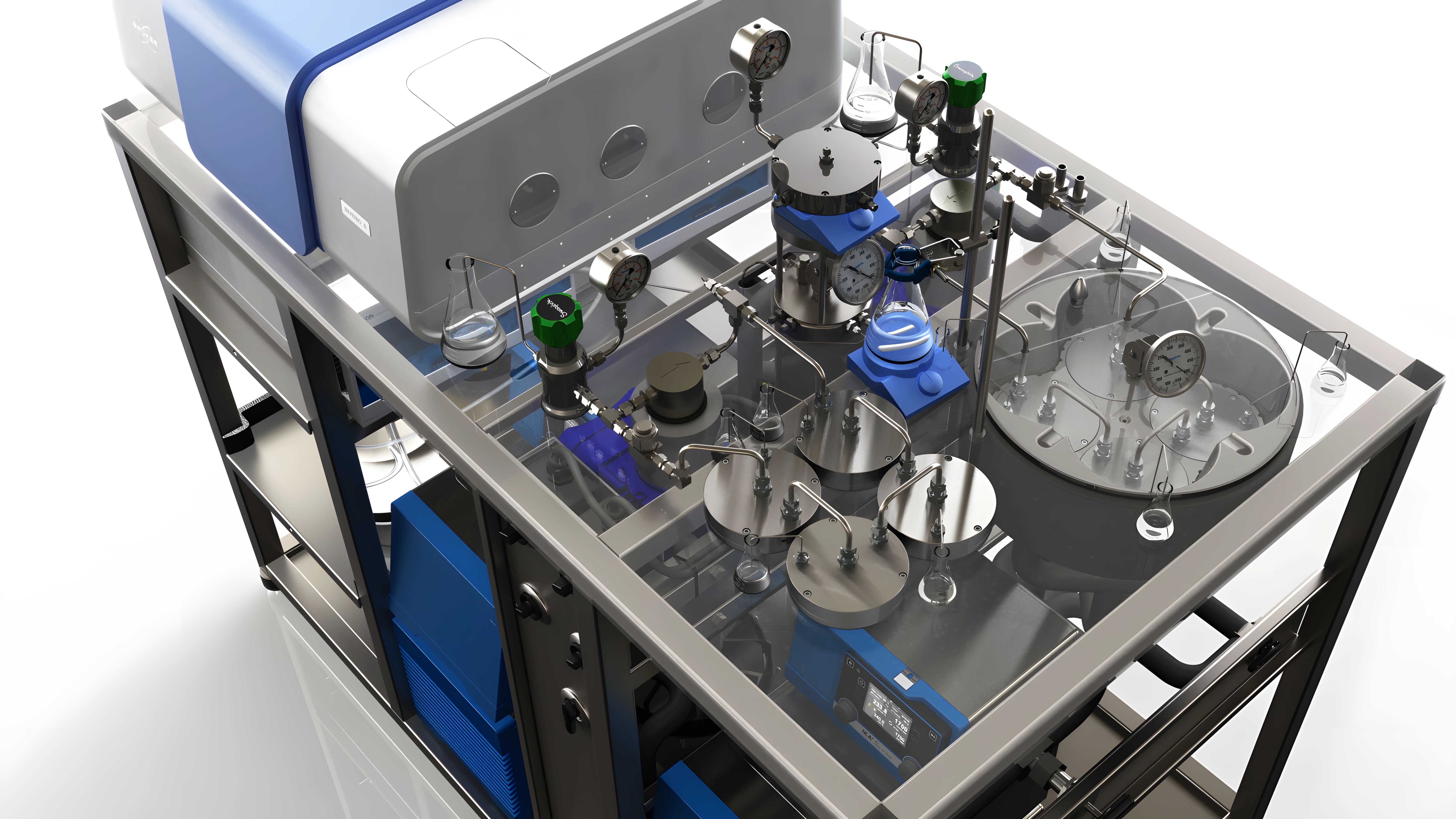
A chemical engineering research group required a platform for nanofiltration membrane testing in organic solvents — including controlled pressure, temperature, flowrate, and configurable process conditions. The target solvent chemistry spanned a defined range of organic solvent families depending on the membrane test protocol, placing strict compatibility requirements on every wetted surface, seal, instrument, and fitting in the system.
No suitable commercial platform existed. Standard laboratory filtration equipment was not rated for the required solvent compatibility or operating pressure range. The cascade architecture, modular test-cell configuration, and instrumentation integration all had to be developed from scratch.
The work started by translating a research need into a technically and commercially buildable package.
What made it difficult
The challenge was not a single hard technical problem. It was the combination of constraints that had to be resolved together and held consistent across every component decision.
Every wetted component — pumps, valves, fittings, tubing, test cells — required compatibility with the target solvent chemistry and the operating pressure envelope. The cascade configuration required custom stainless fabrication with no off-the-shelf precedent. Instrumentation had to be integrated without introducing contamination risk or measurement error. The support structure had to suit the physical constraints of the destination research laboratory.
Beyond the technical design: supplier identification and qualification for specialty stainless hardware and instrumentation; procurement coordination across multiple independent suppliers; fabrication drawing preparation and review; assembly planning; insurance; export compliance documentation; freight management; and on-site installation coordination.
Every decision required judgement. There was no existing template.
What was delivered
The project covered the full delivery chain from research objective to installed platform:
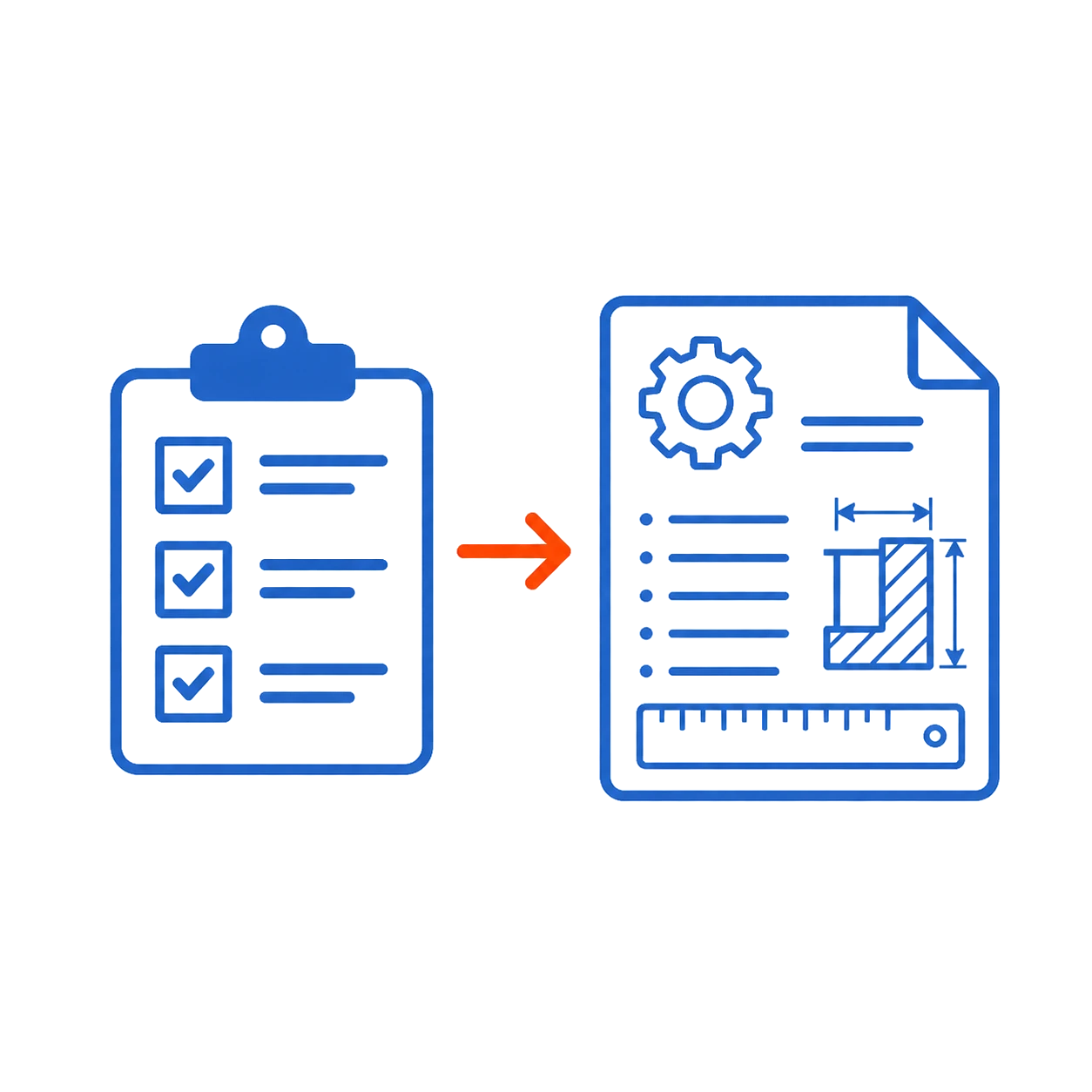
- Requirements definitionResearch requirements were clarified and converted into technical specifications.
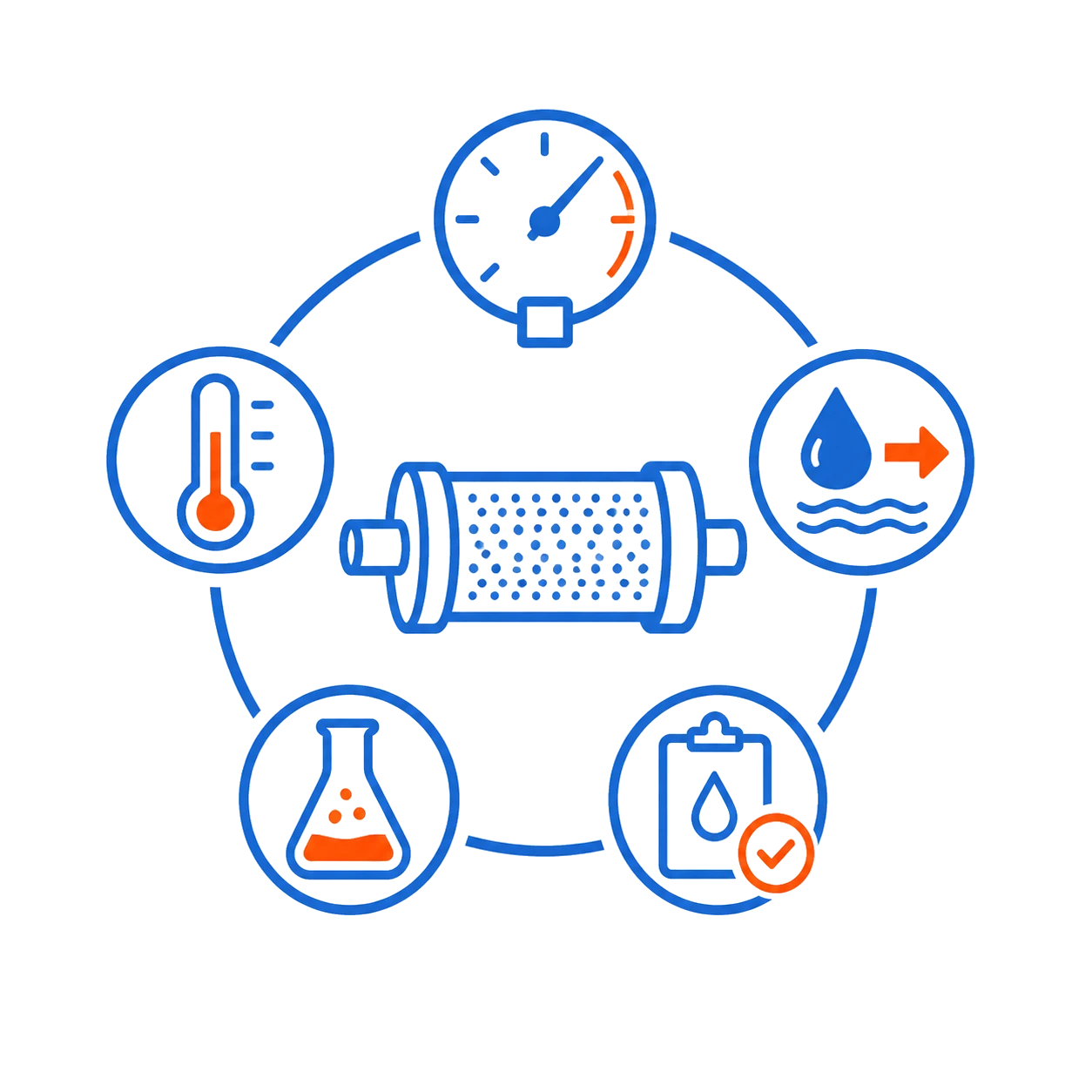
- Operating envelopePressure, temperature, flow rate, solvent use, and membrane testing conditions were defined.
- System architectureThe system architecture and physical layout were designed.
- Mechanical designMechanical design and CAD models were prepared for the custom platform.
- Component selectionComponents were selected for performance, compatibility, and serviceability.
- Supplier coordinationSuppliers were identified, compared, and managed through the delivery chain.
- Procurement and logisticsProcurement, logistics, and technical interfaces were managed across suppliers and timelines.
- Fabrication and fittingStainless-steel, Inconel, and titanium parts were machined, fabricated, modified, fitted, and integrated.
- Assembly planningAssembly was completed with attention to access, maintenance, and operation.
- DocumentationOperator documentation and handover materials were prepared.
- Export and shippingExport packaging, shipping documents, insurance, and transport were arranged.
- Installation and handoverInstallation support and final handover were completed.
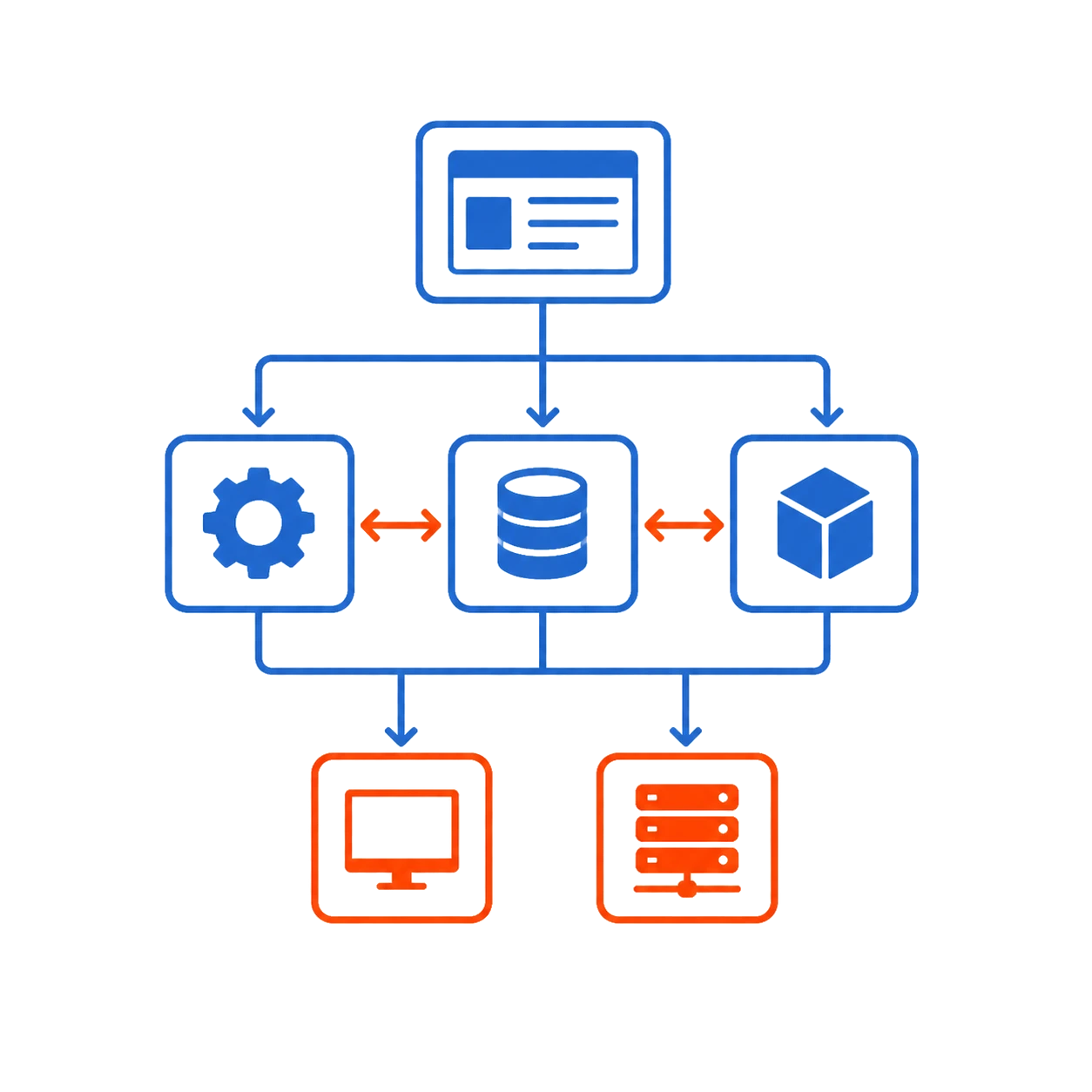
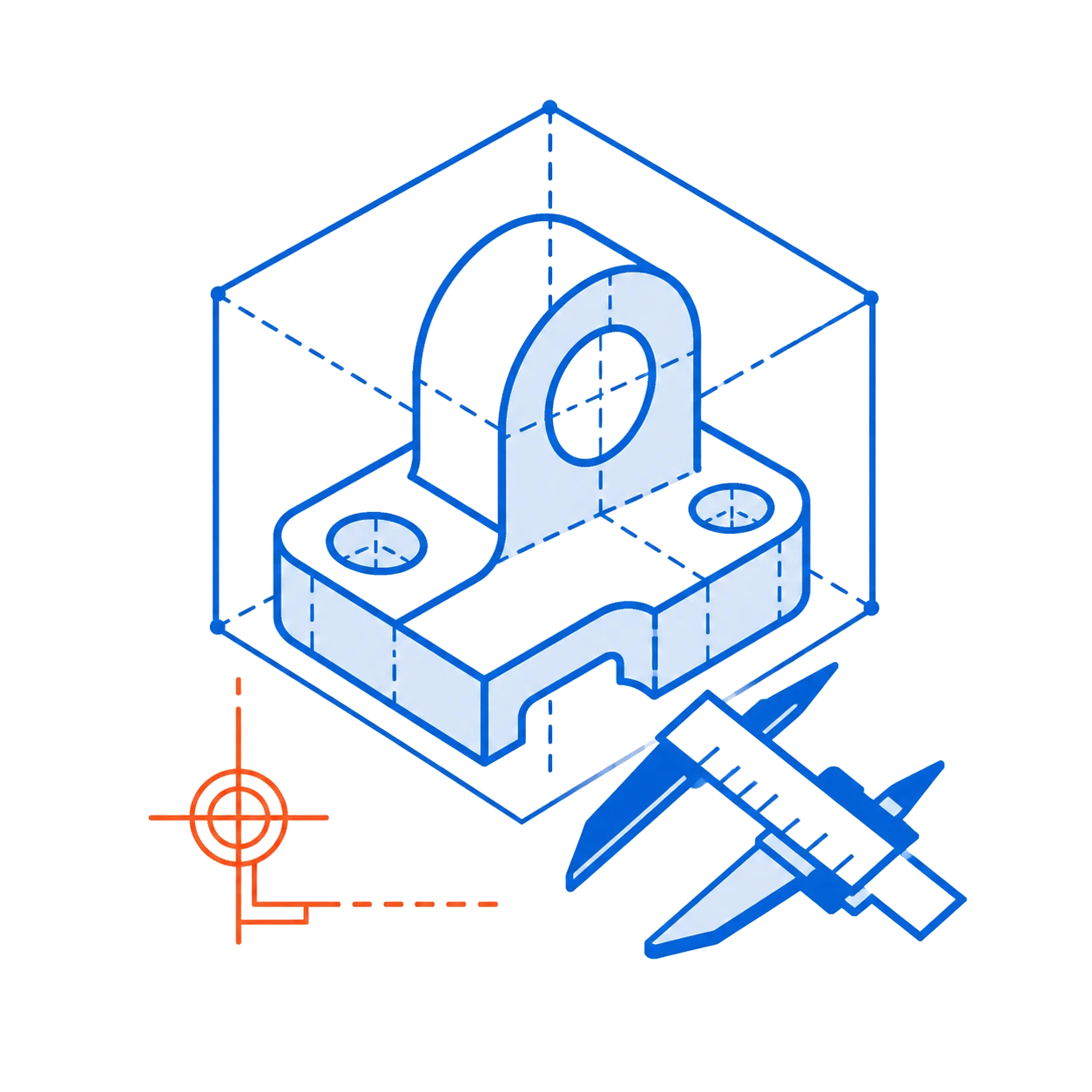
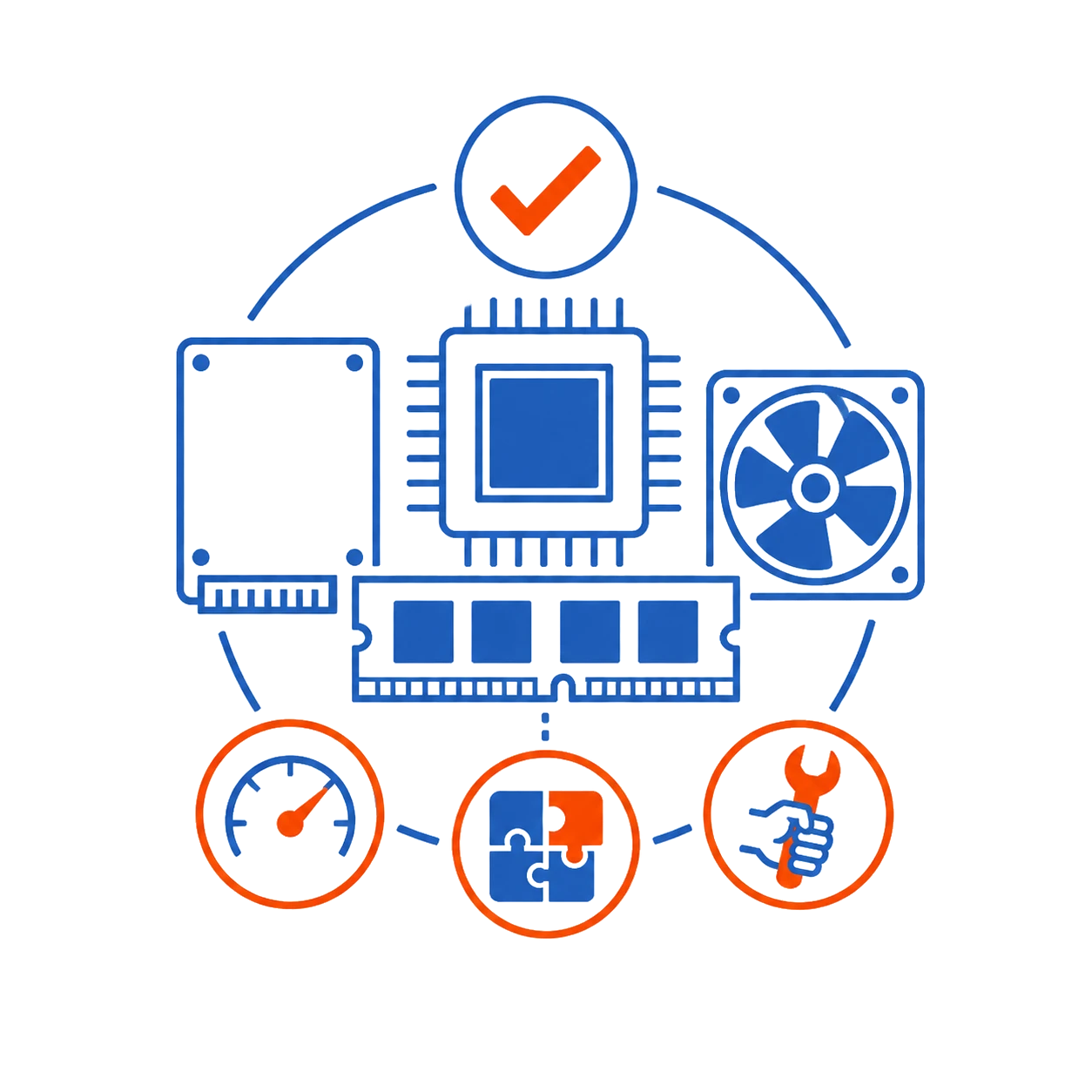
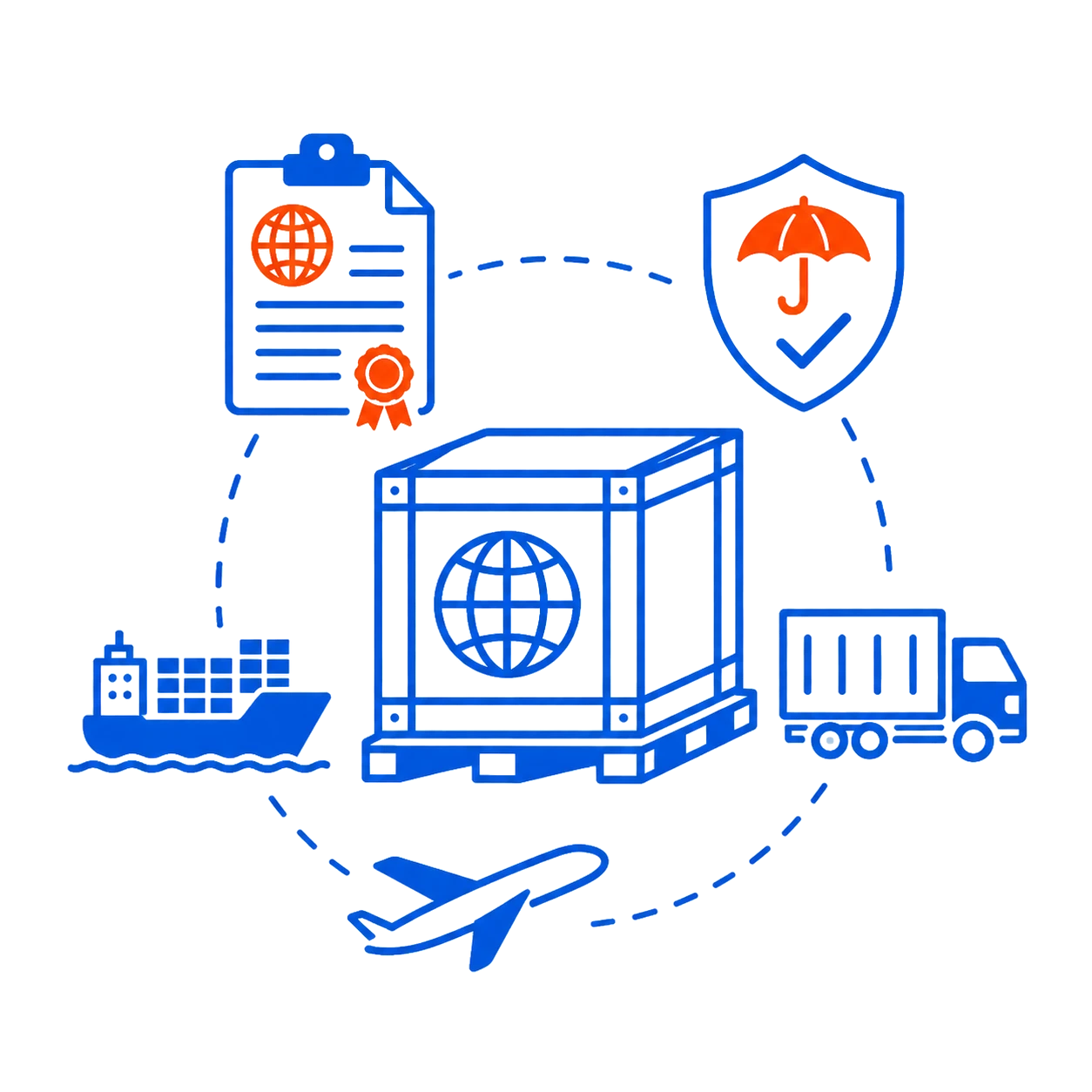
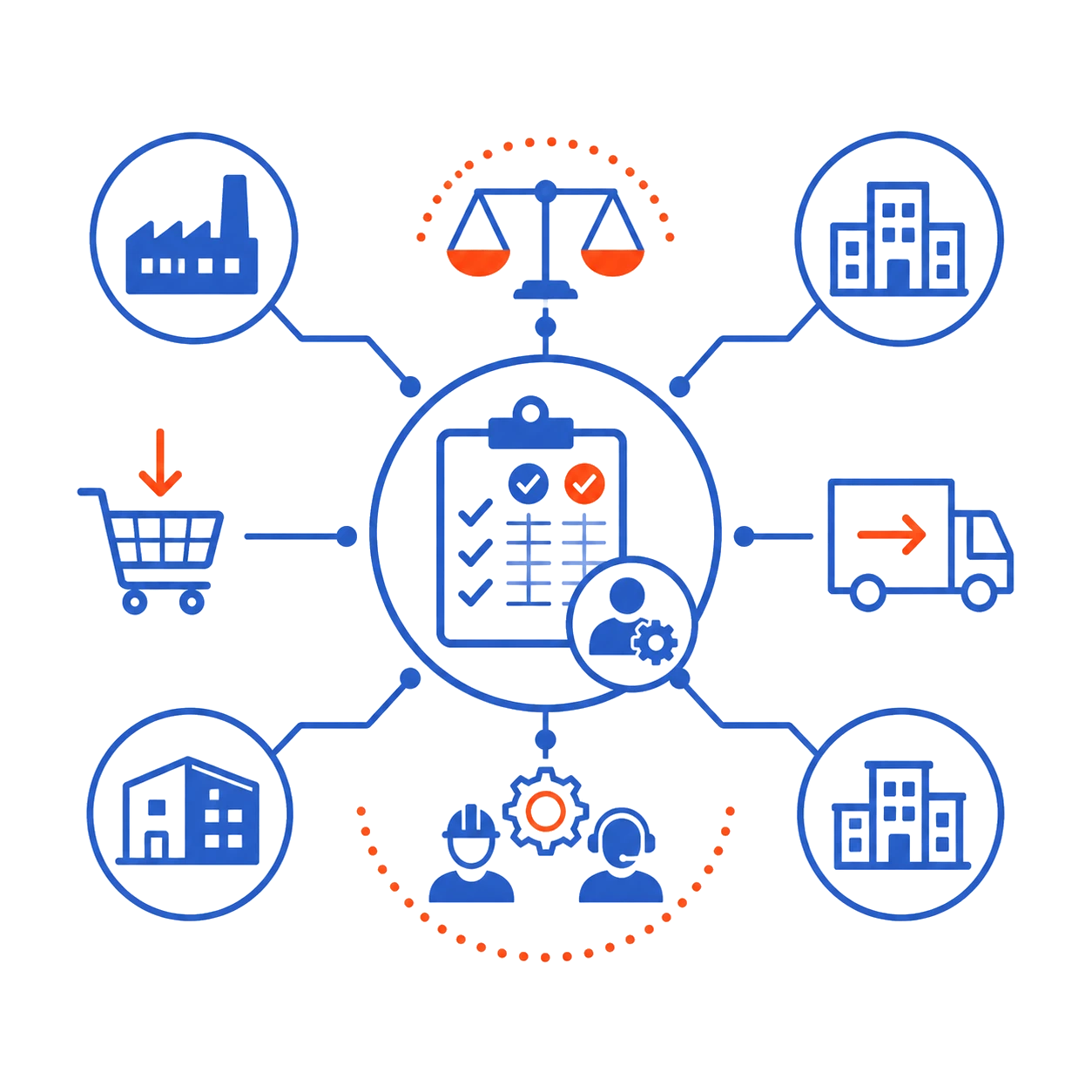
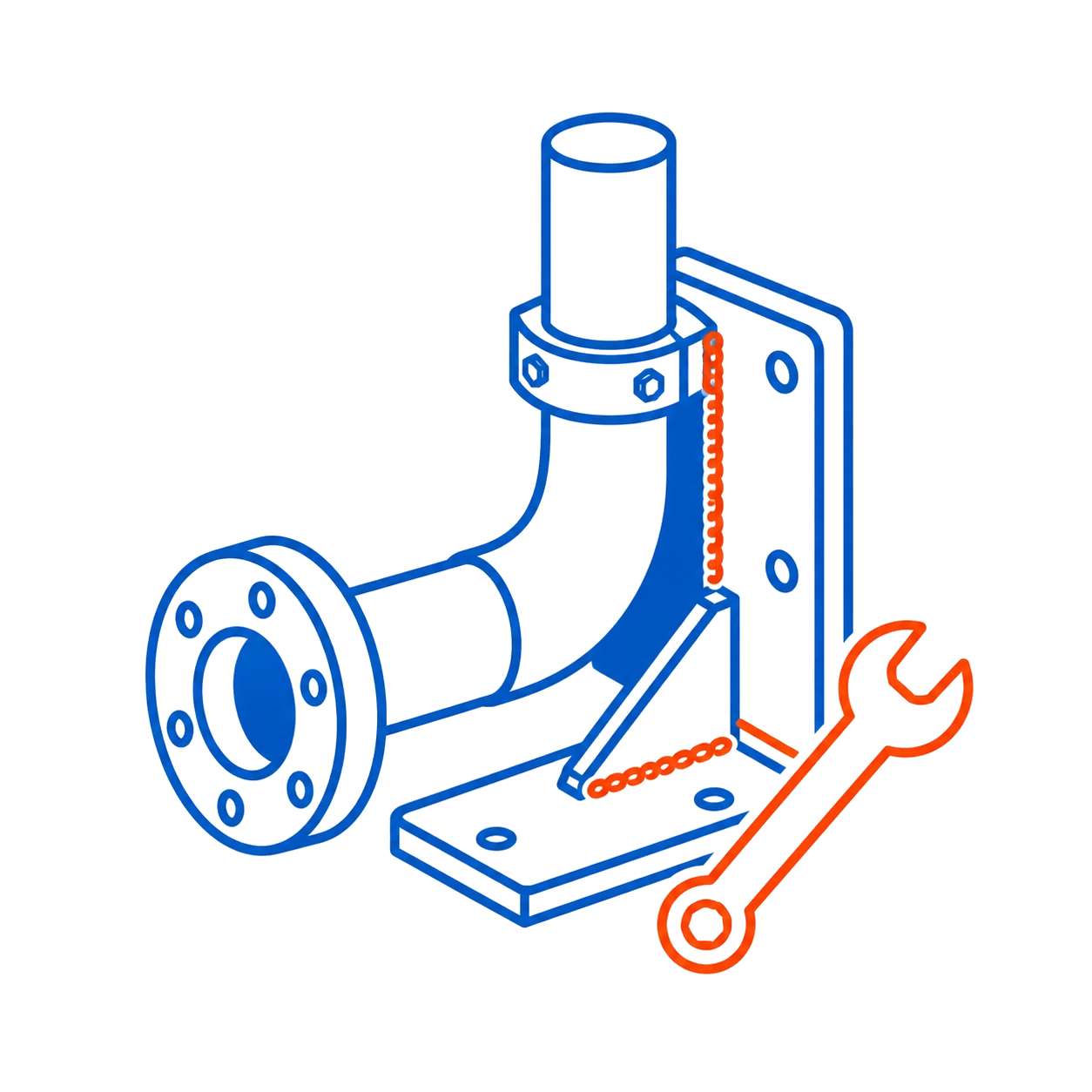
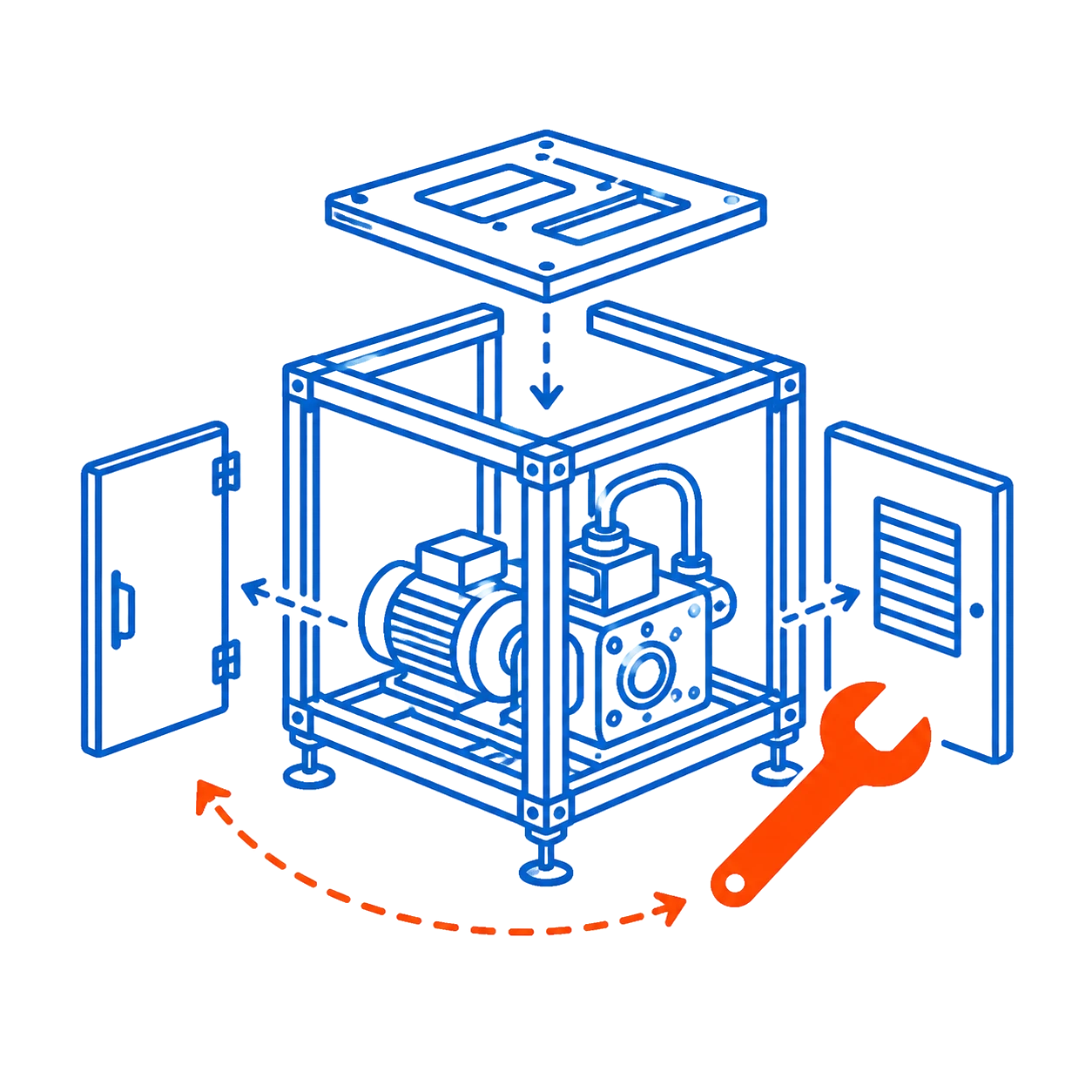
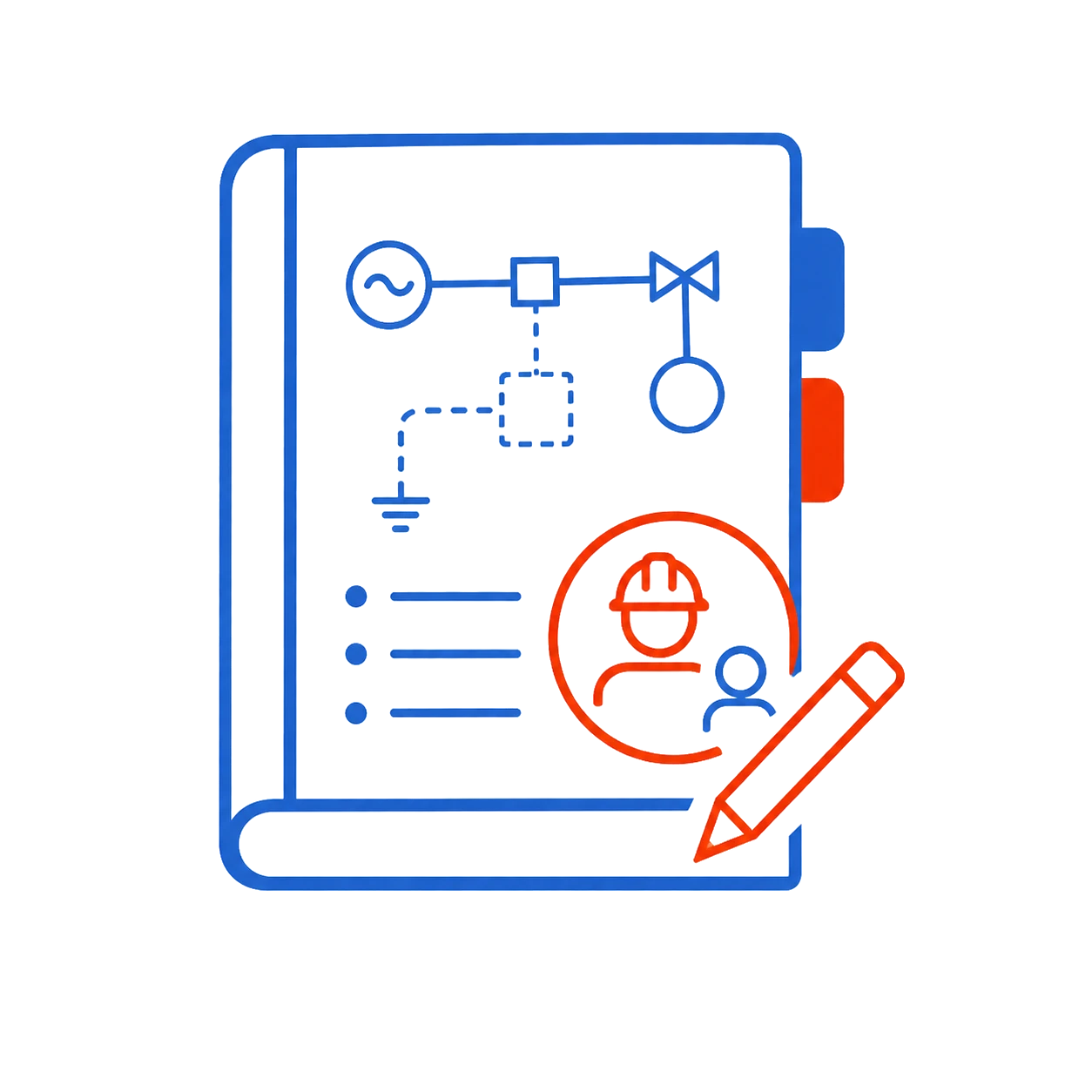
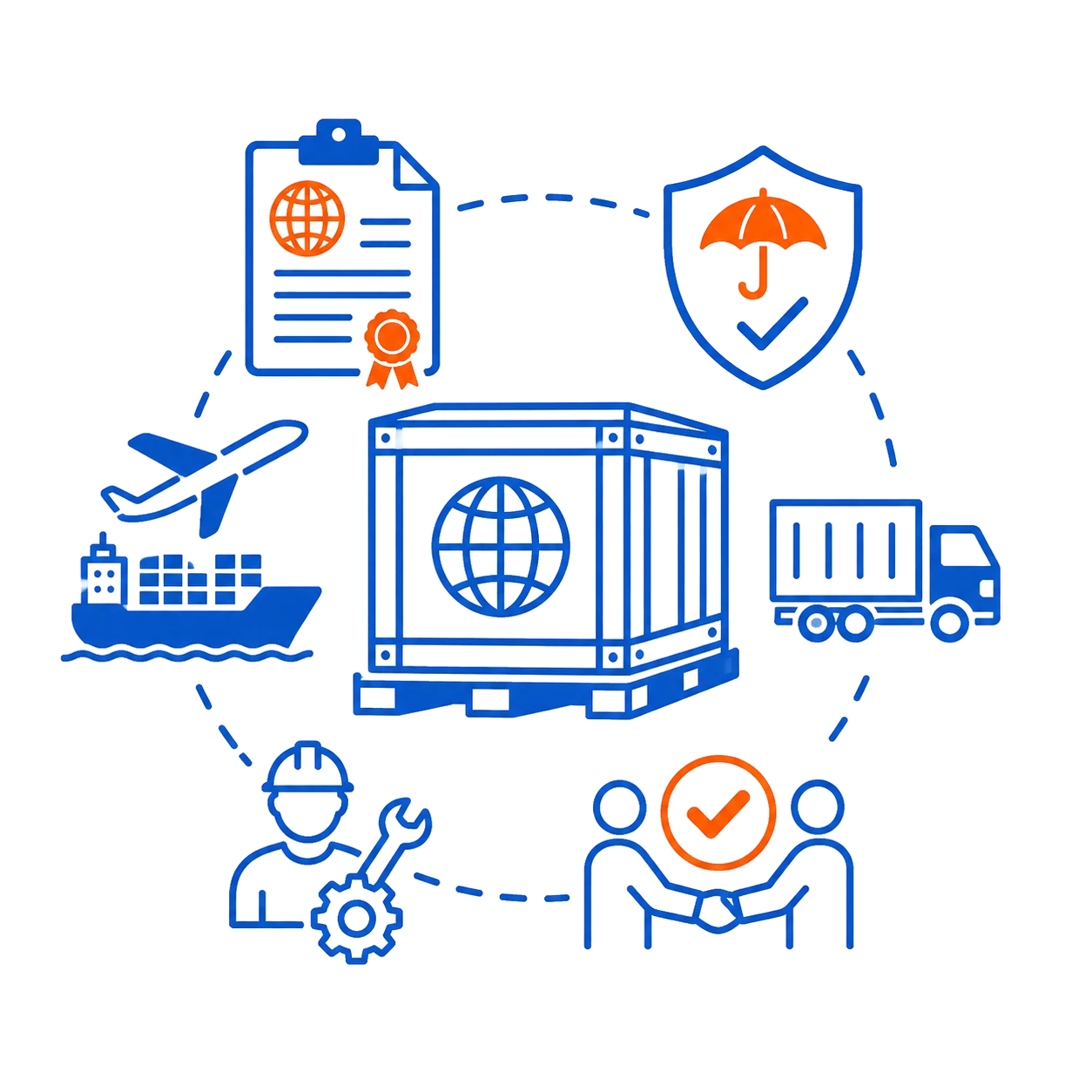

This was not a narrow drafting assignment or a standard equipment purchase. It was a complete custom technical delivery project: carried from an undefined research need to a working, documented, internationally delivered physical system.
Result
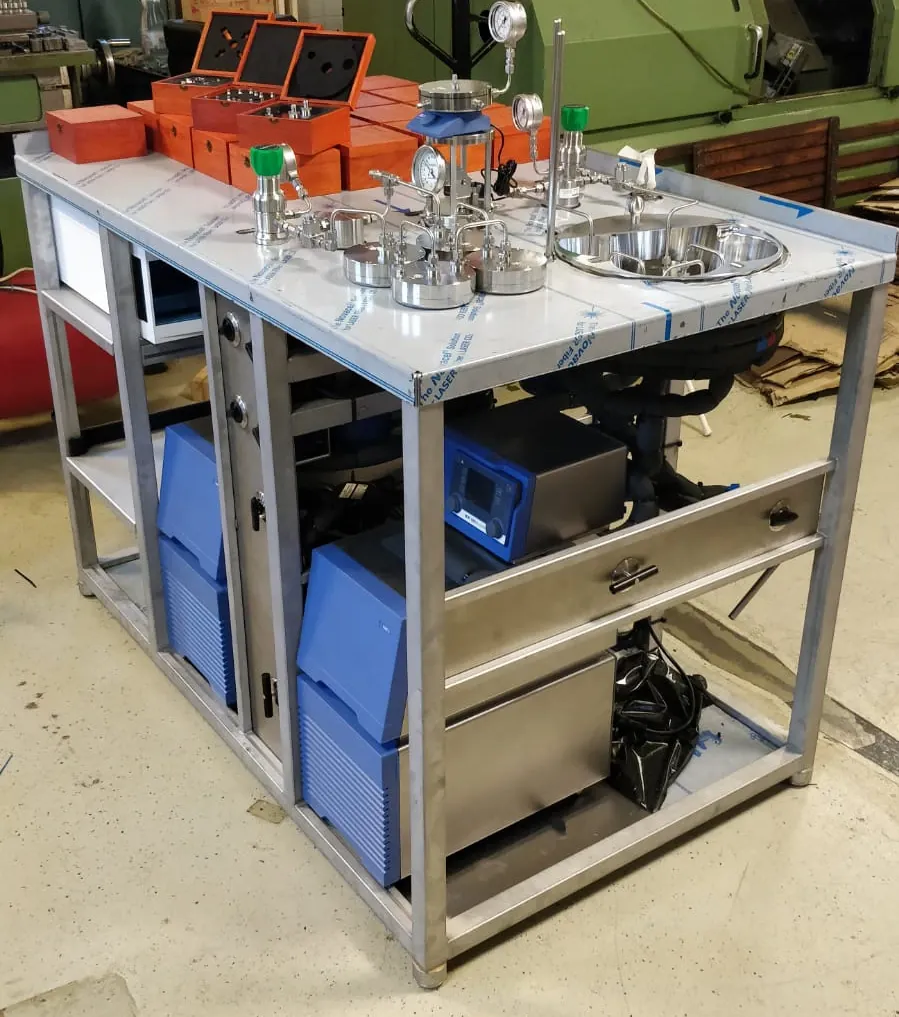
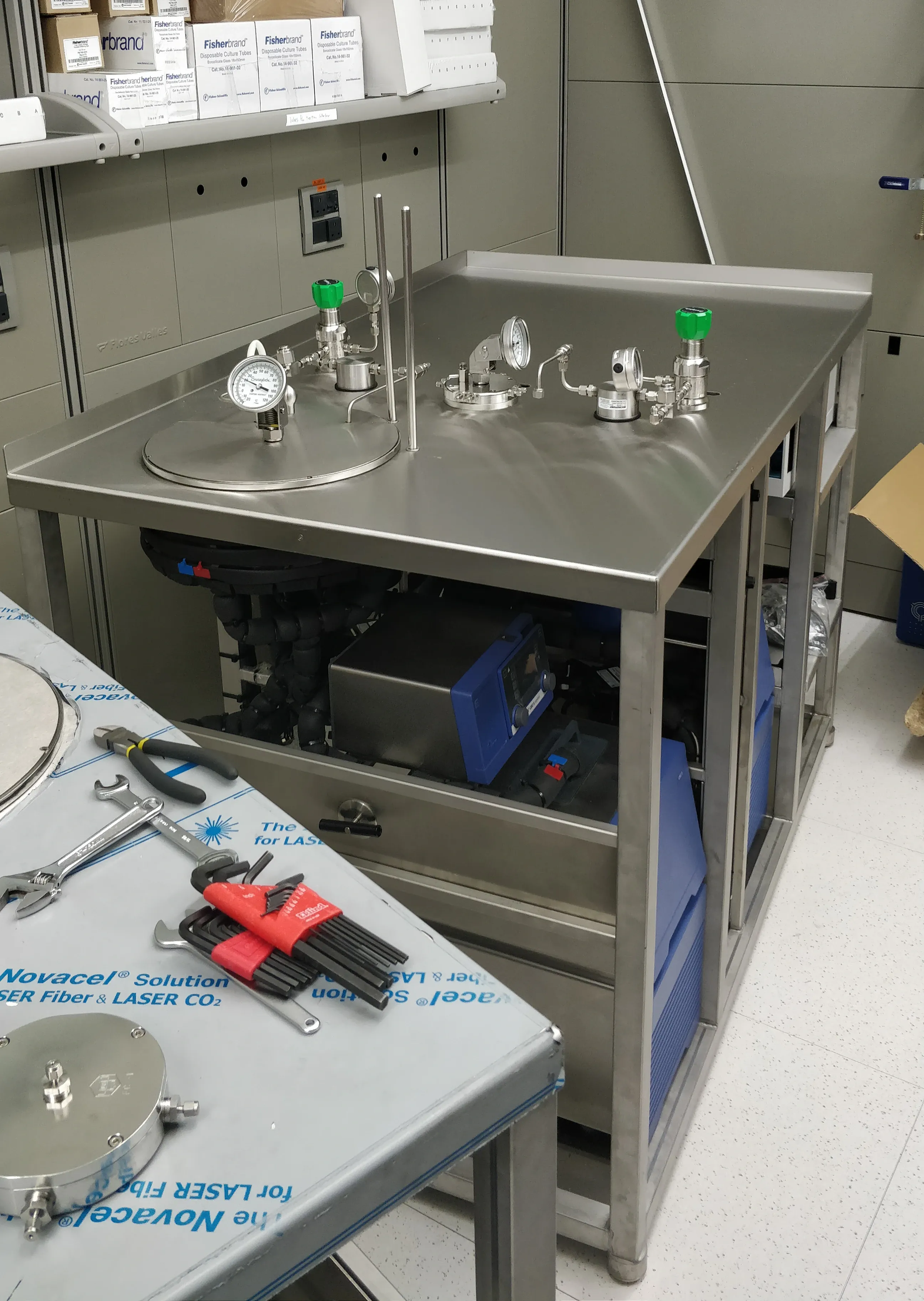
A working custom research platform, delivered with on-site installation support and formally handed over to the research team. The platform gave the research group the ability to run controlled nanofiltration membrane tests across solvent and process conditions using hardware configured around their actual research workflow — not an off-the-shelf compromise.
The system remains in active laboratory use.
Why this matters for a readiness review
The same judgement applied across this project — identifying supplier risk, buildability constraints, documentation gaps, procurement complexity, packaging requirements, export implications, and handover requirements — is what now informs Voratus Prototype-to-Production Readiness Reviews.
This was not a desk exercise. Every technical decision carried real consequences: a component incompatible with the solvent chemistry would fail in service; an incomplete fabrication drawing package would require expensive rework; inadequate export preparation would delay or damage delivery. Each risk was identified, managed, and documented before it became a problem.
A Voratus review applies the same practical lens to your prototype or supplier package: can this actually be built, procured, documented, shipped, and supported? Where are the real gaps? What must change before production commitment?
That field experience is the difference between a checklist review and a judgement-based one.