Capability reference
Technical capability behind the review
The judgement behind a Voratus review is grounded in practical prototype work, dimensional review, reverse engineering, supplier-path thinking, and real build experience — not file comments alone.
This page shows the technical depth that strengthens prototype-to-production reviews when the work goes beyond a basic document check.
Why this matters
A supplier-readiness review is only useful if the person doing it understands how parts behave in the real world: how they fit, how they are built, where suppliers struggle, where cost creeps in, and where documentation stops being usable.
What strengthens the review
-
Physical prototype and part assessment
Review of real parts, assemblies, samples, failed builds, and prototypes to identify fit, access, manufacturability, service, packaging, and handover issues.
-
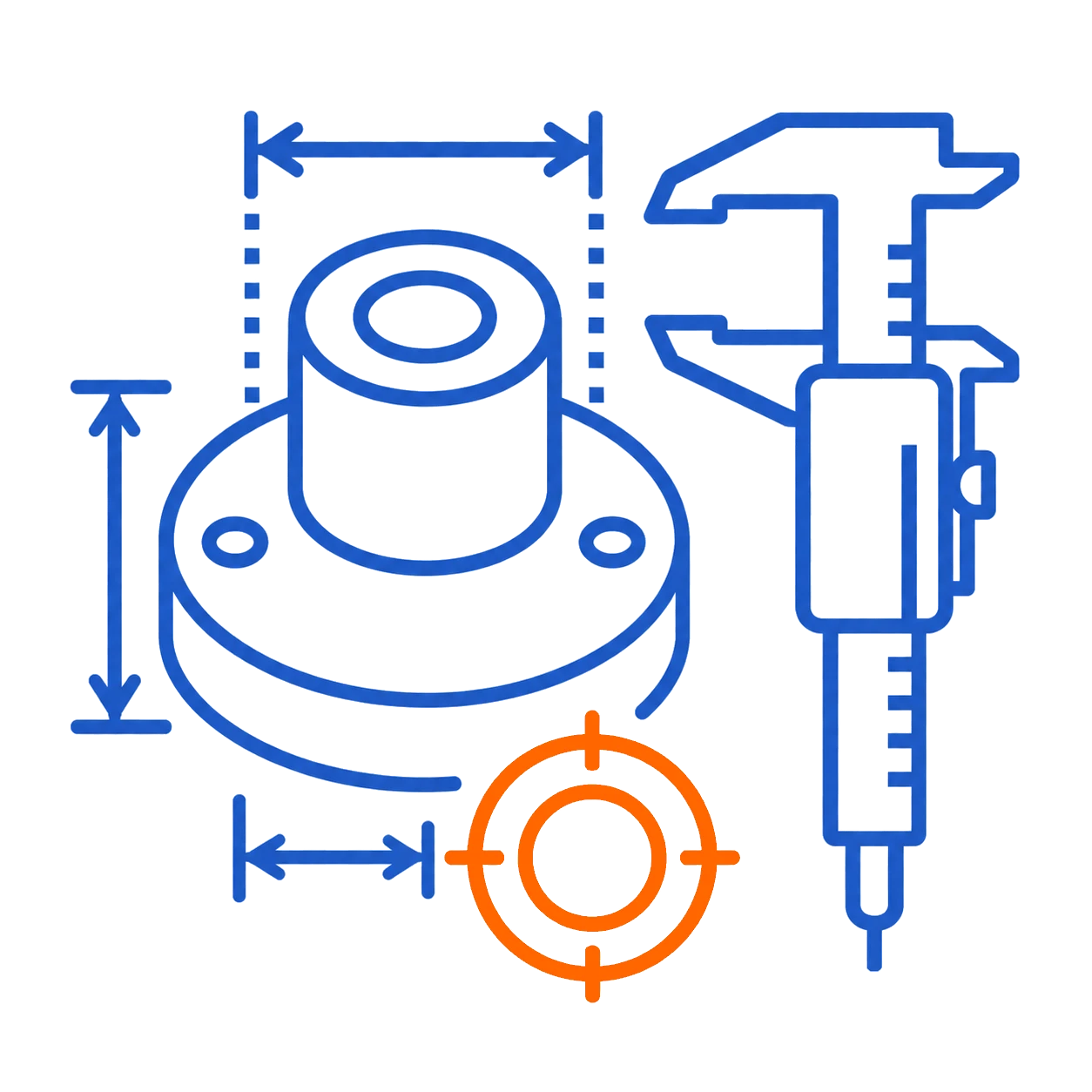
Dimensional review and tolerance assessment
Review of critical dimensions, fits, tolerance choices, datum logic, prototype deviations, supplier samples, and acceptance criteria where dimensional evidence affects manufacturability or build risk.
-
Workshop-based prototype evaluation
Practical workshop review of prototypes, subassemblies, mechanisms, brackets, housings, fixtures, samples, and build problems to assess fit, access, manufacturability, assembly sequence, and serviceability.
-
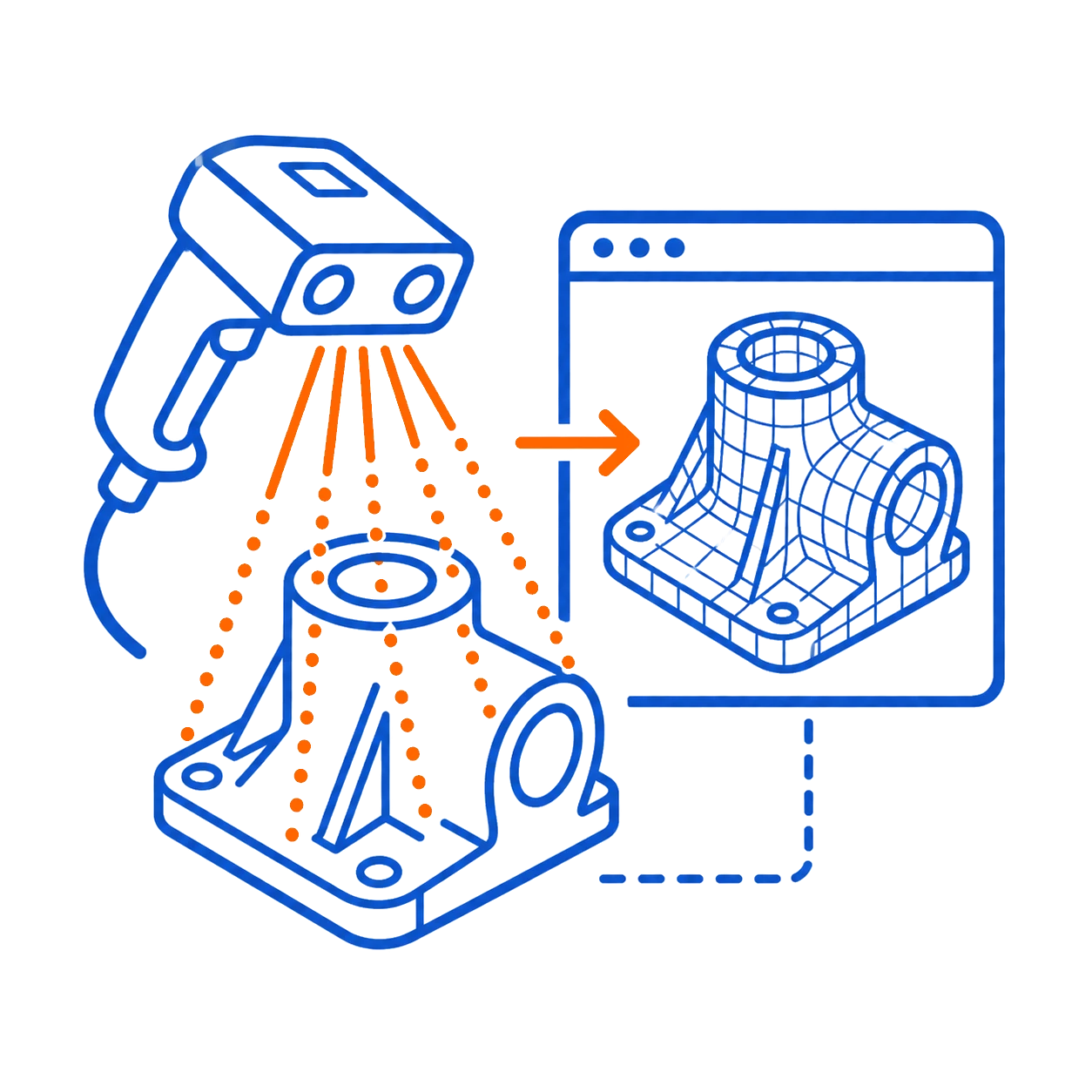
3D scanning and reverse engineering
3D scanning and reverse-engineering support for undocumented parts, legacy components, supplier samples, prototypes, damaged parts, and geometry that needs to be captured or reconstructed.
-
Make/buy and manufacturing-path review
Assessment of what should be made custom, bought off-the-shelf, modified, simplified, redesigned, or sent to a different supplier type.
-
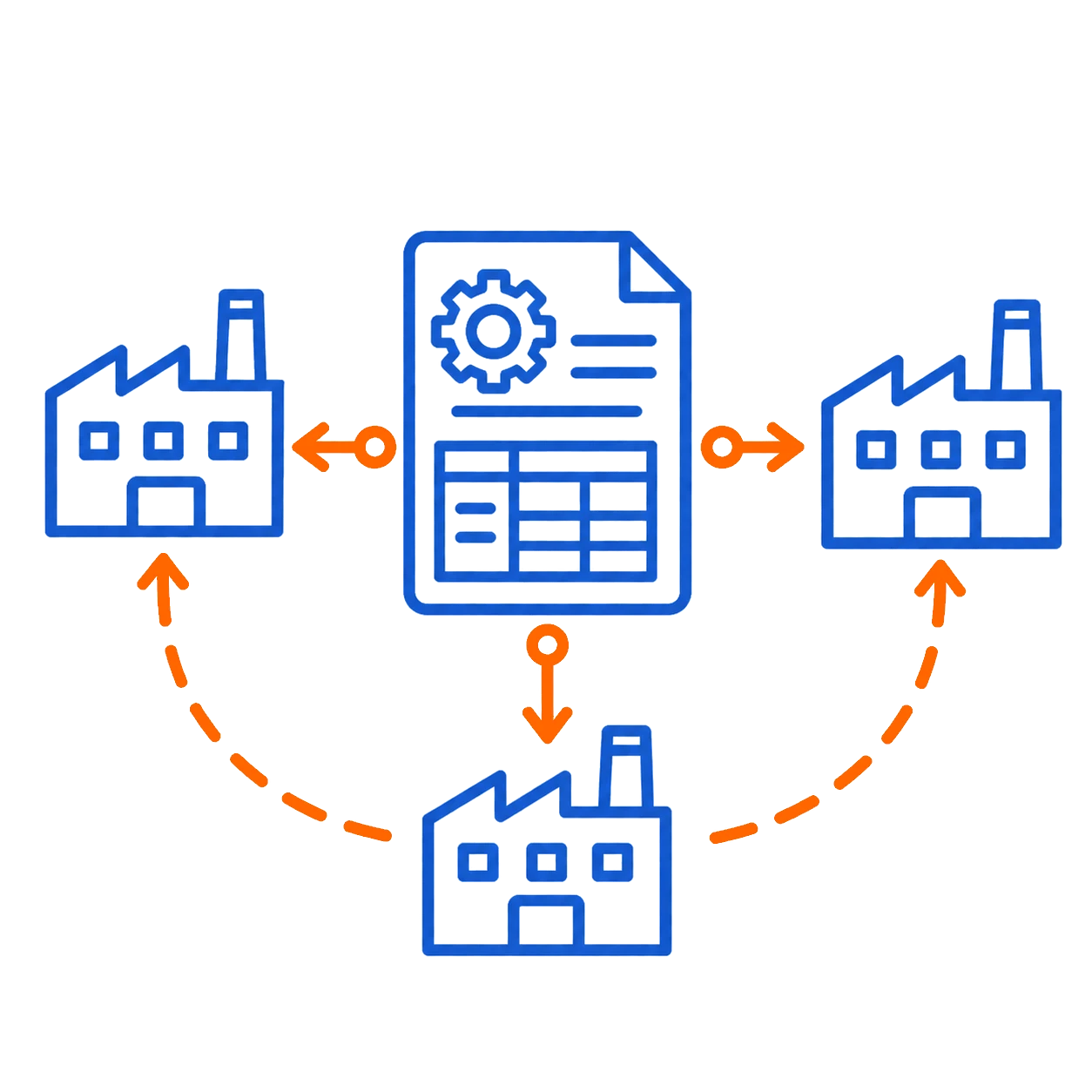
Supplier and RFQ path definition
Clarification of supplier categories, RFQ boundaries, quote assumptions, bought-out parts, required documents, and supplier handoff information.
-
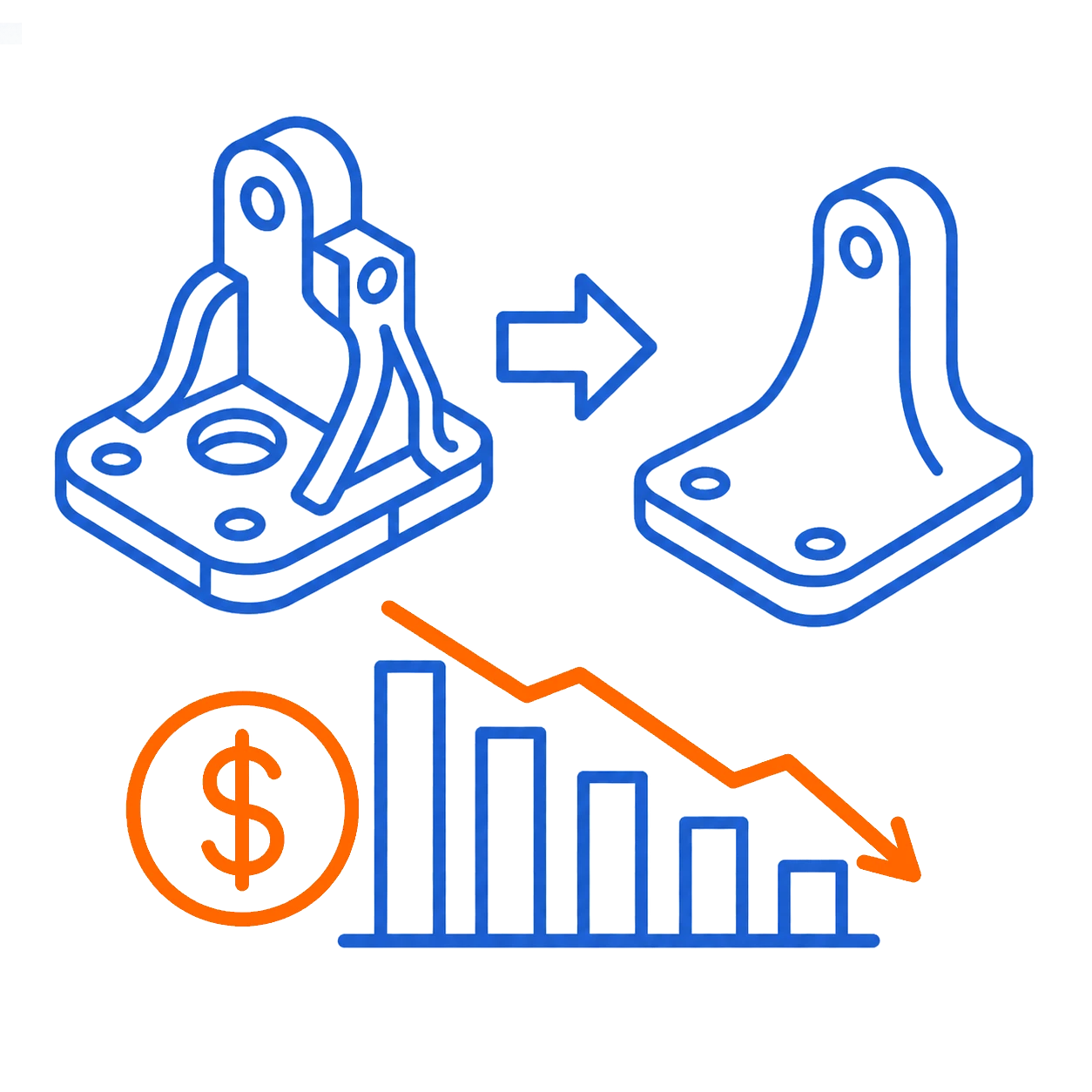
Design simplification and cost-driver review
Identification of unnecessary complexity, difficult features, poor tolerance choices, expensive processes, avoidable machining, and over-specified materials.
-
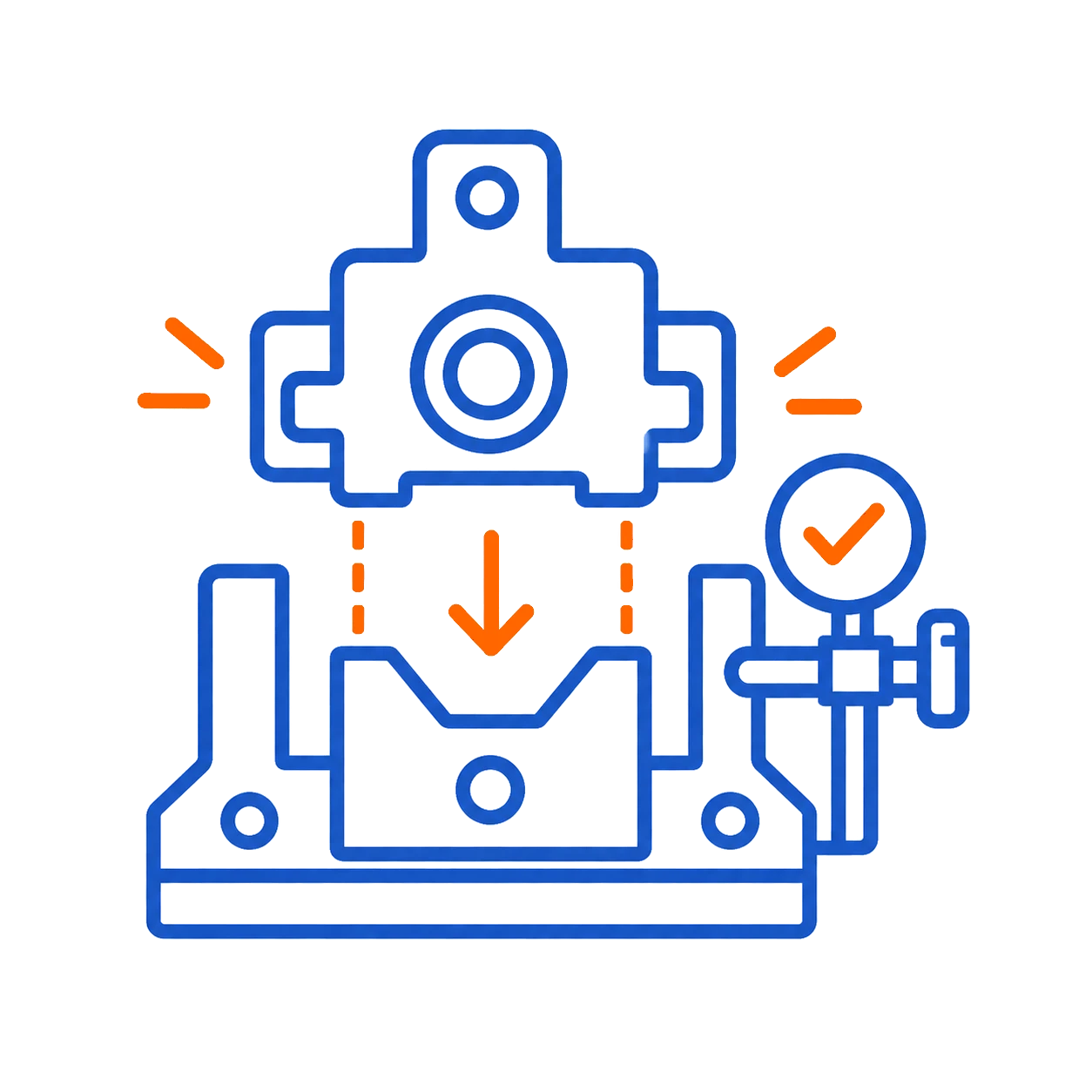
Rapid fit, fixture, and assembly checks
Quick mockups, trial parts, templates, spacers, brackets, fixture concepts, and assembly checks to test fit, access, sequence, or design changes before supplier release.
-
Inspection and acceptance planning
Definition of what should be checked before acceptance: critical dimensions, visual criteria, functional checks, packaging condition, supplier evidence, documentation, and handover items.
-
Supplier-ready documentation cleanup
Organisation and correction of CAD, drawings, BOMs, photos, notes, supplier comments, inspection needs, packaging requirements, and constraints into a clearer handoff package.




How this improves the outcome
These capabilities are not offered as a standalone service menu. They support the review directly — diagnosing real build and supplier-path problems, not pattern-matching against a standard checklist.
Clearer manufacturing path
When make/buy decisions and manufacturing-path issues are identified early, suppliers receive a more specific package: fewer interpretation gaps, fewer quote questions, fewer last-minute scope changes.
Better supplier handoff
Documentation cleanup and RFQ-path definition reduce the distance between what the design says and what the supplier actually needs to quote and build from.
Stronger make/buy decisions
Hands-on manufacturing-path review helps identify what should be redesigned, consolidated, simplified, or sourced differently before supplier commitment locks in the current approach.
Fewer quote surprises and build errors
Dimensional review, fit checks, and acceptance planning reduce the gap between assumed and actual production conditions — the gap where cost creep and build errors typically begin.
Have a prototype, part, package, or supplier path that needs a clearer next step?
Send a one-paragraph project brief to info@voratus.ca. Same business day reply where practical.